
South African insurance analysis
Insights
Short-term insurance case law, technical coverage analysis, ombudsman case outcomes and SASRIA special-risk news - explained clearly for South African policyholders and brokers.
Case Law

Seepi v King Price: Why Undisclosed Minor Incidents Can Defeat a Motor Claim
The Gauteng High Court dismissed a Mercedes claim after the insured admitted he had not disclosed two earlier minor incidents. The judgment also shows that a policyholder must prove the insured accident occurred as alleged.
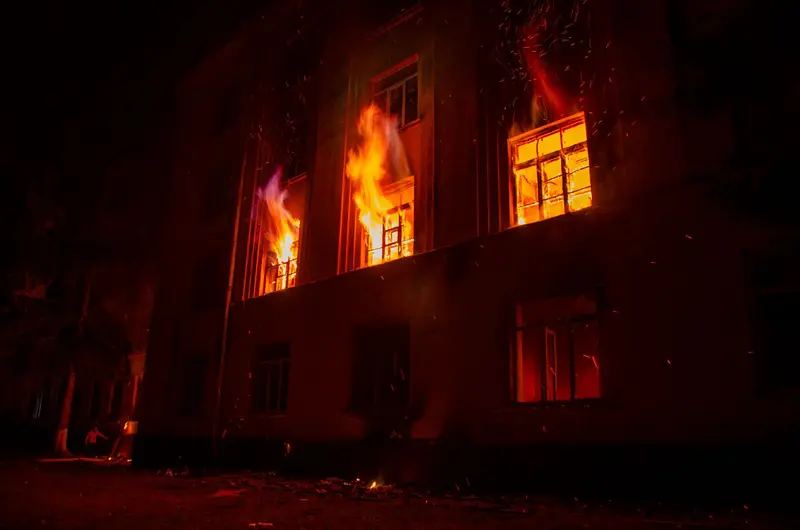
Renasa v Watson: Insurer’s Burden of Proof in Arson Fire Claims
The Supreme Court of Appeal confirmed that an insurer alleging arson, fraud or failure to prevent a loss must prove its repudiation defence on a balance of probabilities. Suspicion and possible motive alone were not enough in Renasa Insurance Company Limited v Watson and Another.

Clifford v Commercial Union: Why Vehicle Details Can Be Material to a Motor Claim
The Supreme Court of Appeal held that an incorrect vehicle manufacturing year was material where it expanded the insurer’s potential liability under a “new for old” theft benefit. The case remains an important illustration of why proposal-form details must be accurate and why materiality depends on the cover and risk involved.
Ombudsman Case Outcomes
SASRIA & Special Risk Insurance
Sasria and IISA Skills Programmes Aim to Build South Africa’s Short-Term Insurance Talent Pipeline
Sasria and the Insurance Institute of South Africa have introduced two development programmes intended to combine NQF Level 5 learning with workplace exposure for 54 prospective insurance professionals. The initiative focuses on emerging brokers, loss adjusters, youth employment and broader sector transformation.
Sasria profit rises to R4.5bn as capital recovery supports future risk plans
Sasria reported a 34.1% rise in annual profit to R4.5 billion for the year ended 31 March 2025. Higher investment income, improved insurance results and lower net reinsurance costs lifted own funds to R18.6 billion, strengthening its ability to absorb severe special-risk losses while it considers a broader future role.
Decentralisation for Natural Catastrophes: What It Could Mean for Insurance Resilience
Natural hazards, civil unrest and terrorism can all cause severe losses, but their risk patterns differ. Decentralised catastrophe planning may help spread decision-making, improve local response and strengthen insurance resilience.
Latest across all topics
- Seepi v King Price: Why Undisclosed Minor Incidents Can Defeat a Motor Claim
- Renasa v Watson: Insurer’s Burden of Proof in Arson Fire Claims
- Cell Phone Insurance Claims: SIM Cards, Device Updates and Theft Exclusions
- Clifford v Commercial Union: Why Vehicle Details Can Be Material to a Motor Claim
- Regent Insurance v King’s Property: Why Tenant Activities Must Be Disclosed
- Sasria and IISA Skills Programmes Aim to Build South Africa’s Short-Term Insurance Talent Pipeline